|
|
What to see in Italy
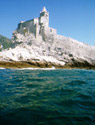
Portovenere, Cinque Terre, and the Islands (Palmaria, Tino and Tinetto)
Province of La Spezia, Liguria Region
The Ligurian coast between Cinque Terre and Portovenere is a cultural landscape of great scenic and cultural value. The layout and disposition of the small towns and the shaping of the surrounding landscape, overcoming the disadvantages of a steep, uneven terrain, encapsulate the continuous history of human settlement in this region over the past millennium.
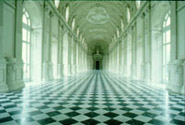
Residences of the Royal House of Savoy
Province of Torino, Piedmont Region
When Emmanuel-Philibert, Duke of Savoy, moved his capital to Turin in 1562, he began a vast series of building projects (continued by his successors) to demonstrate the power of the ruling house. This outstanding complex of buildings, designed and embellished by the leading architects and artists of the time, radiates out into the surrounding countryside from the Royal Palace in the 'Command Area' of Turin to include many country residences and hunting lodges.
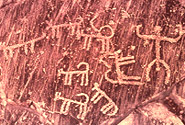
Rock Drawings in Valcamonica
Province of Brescia, Lombardy
Valcamonica, situated in the Lombardy plain, has one of the world's greatest collections of prehistoric petroglyphs – more than 140,000 symbols and figures carved in the rock over a period of 8,000 years and depicting themes connected with agriculture, navigation, war and magic.
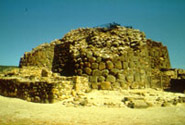
Su Nuraxi di Barumini
Province of Medio Campidano, Sardinia
During the late 2nd millennium B.C. in the Bronze Age, a special type of defensive structure known as nuraghi (for which no parallel exists anywhere else in the world) developed on the island of Sardinia. The complex consists of circular defensive towers in the form of truncated cones built of dressed stone, with corbel-vaulted internal chambers. The complex at Barumini, which was extended and reinforced in the first half of the 1st millennium under Carthaginian pressure, is the finest and most complete example of this remarkable form of prehistoric architecture.
Syracuse and the Rocky Necropolis of Pantalica
City and Province of Syracuse, Sicily

The site consists of two separate elements, containing outstanding vestiges dating back to Greek and Roman times: The Necropolis of Pantalica contains over 5,000 tombs cut into the rock near open stone quarries, most of them dating from the 13th to 7th century B.C. Vestiges of the Byzantine era also remain in the area, notably the foundations of the Anaktoron (Prince's Palace). The other part of the property, Ancient Syracuse, includes the nucleus of the city's foundation as Ortygia by Greeks from Corinth in the 8th century B.C. The site of the city, which Cicero described as “the greatest Greek city and the most beautiful of all”, retains vestiges such as the Temple of Athena (5th century B.C., later transformed to serve as a cathedral), a Greek theatre, a Roman amphitheatre, a fort and more. Many remains bear witness to the troubled history of Sicily, from the Byzantines to the Bourbons, with, in between, the Arabo-Muslims, the Normans, Frederick II (Hohenstaufen, 1197 to 1250 A.D.), the Aragons and the Kingdom of the Two Sicilies. Historic Syracuse offers a unique testimony to the development of Mediterranean civilization over three millennia.
The Trulli of Alberobello
Province of Bari, Puglia Region
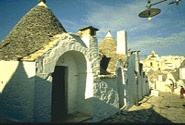
The trulli, limestone dwellings found in the southern region of Puglia, are remarkable examples of drywall (mortarless) construction, a prehistoric building technique still in use in this region. The trulli are made of roughly worked limestone boulders collected from neighbouring fields. Characteristically, they feature pyramidal, domed or conical roofs built up of corbelled limestone slabs.
Val d'Orcia
Province of Siena, Tuscany
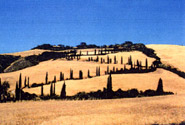
The landscape of Val d'Orcia is part of the agricultural hinterland of Siena, re-drawn and developed when it was integrated in the territory of the city-state in the 14th and 15th centuries to reflect an idealized model of good governance and to create an aesthetically pleasing picture. The landscape's distinctive aesthetics, flat chalk plains out of which rise almost conical hills with fortified settlements on top, inspired many artists. Their images have come to exemplify the beauty of well-managed Renaissance agricultural landscapes. The inscription covers: an agrarian and pastoral landscape reflecting innovative land management systems; towns and villages; farmhouses; and the Roman Via Francigena and its associated abbeys, inns, shrines, bridges etc.
Venice and its Lagoon
Province of Venezia, Veneto Region
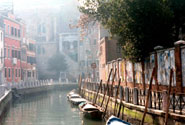
Founded in the 5th century and spread over 118 small islands, Venice became a major maritime power in the 10th century. The whole city is an extraordinary architectural masterpiece in which even the smallest building contains works by some of the world's greatest artists such as Giorgione, Titian, Tintoretto, Veronese and others.
Villa Adriana (Tivoli)
Province of Rome, Region of Latium
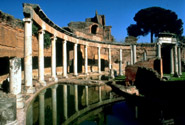
The Villa Adriana (at Tivoli, near Rome) is an exceptional complex of classical buildings created in the 2nd century A.D. by the Roman emperor Hadrian. It combines the best elements of the architectural heritage of Egypt, Greece and Rome in the form of an 'ideal city'.
Villa d'Este, Tivoli
Province of Rome, Region of Latium
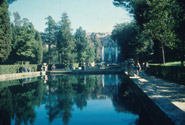
The Villa d'Este in Tivoli, with its palace and garden, is one of the most remarkable and comprehensive illustrations of Renaissance culture at its most refined. Its innovative design along with the architectural components in the garden (fountains, ornamental basins, etc.) make this a unique example of an Italian 16th-century garden. The Villa d'Este, one of the first giardini delle meraviglie, was an early model for the development of European gardens.
Villa Romana del Casale
Piazza Armerina, Province of Enna, Sicily
Roman exploitation of the countryside is symbolized by the Villa Romana del Casale (in Sicily), the centre of the large estate upon which the rural economy of the Western Empire was based. The villa is one of the most luxurious of its kind. It is especially noteworthy for the richness and quality of the mosaics which decorate almost every room; they are the finest mosaics in situ anywhere in the Roman world.
Isole Eolie (Aeolian Islands)
Mediterranean Sea - Southern Tyrrhenian Sea
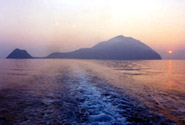
The Aeolian Islands provide an outstanding record of volcanic island-building and destruction, and ongoing volcanic phenomena. Studied since at least the 18th century, the islands have provided the science of vulcanology with examples of two types of eruption (Vulcanian and Strombolian) and thus have featured prominently in the education of geologists for more than 200 years. The site continues to enrich the field of vulcanology.
|
Hotel Granduca San Giuliano Terme
B&B Luciana San Pietro di Feletto
Locanda Azzurra San Remo San Remo,
Pollon Inn San Remo San Remo,
Villaggio dei Fiori San Remo
Il Melograno San Vito Lo Capo
Hotel Villa Margherita Sant Agnello
Hotel Marabel Sant Alessio Siculo
Pampas Sant' Agata sui due Golfi
Nuova Riviera Santa Margherita Ligure
Campo di Carlo Sassetta
Quercia Rossa Saturnia
Locanda di Amerigo Savigno
Fontana Calda Sciacca
'Villa del bosco' Farm Holidays Segesta
Hotel Paradise Beach Club Selinunte
Hotel del Corso Selvino
Casa Onda Senigallia
San Nicola Hostel Sermoneta
B&B Vittoria Sesto Fiorentino
Hotel Il Gerlino Sesto Fiorentino
A Casa Mia Siena,
Agriturismo La Selva Siena,
Albergo La Perla Siena,
Arcobaleno Boutique Hotel Siena Siena,
Best Western Hotel Executive Siena,
Borgo Antico Siena,
Castle of Selvole Siena,
Fattoria di Cavaglioni Siena,
Gli Angeli B&B Siena,
Hotel 1000 Miglia Siena
Hotel Antica Torre Siena,
Hotel Chiusarelli Siena,
Hotel Garden Siena,
Hotel Minerva Siena,
Hotel Palazzo di Valli Siena,
Hotel Villa Belvedere Siena,
L'Aia Apartments Siena,
L'Aia Residence Siena,
La Piazza Del Palio Siena,
La Vecchia Cartiera Siena,
Le Camerine di Silvia Siena,
Le Fonti di Pescaia Siena,
Miniresidenze Ciompi Siena,
Residence Paradiso Siena,
Residenza San Domenico Siena,
Sangallo Park Hotel Siena,
Soggiorno Lo Stellino Siena,
Soggiorno Sabrina Siena,
Ultimo Mulino Siena,
Villa Piccola Siena Siena,
YHA Youth Hostel Guidoriccio Siena
Poste Regie B&B Siena Sovicille
Il Luogo di Ghita Silvi Marina
Locanda la Bandita Sinalunga
Il Cortiletto Siracusa
A' Marin Apartment Sorrento,
Astoria Hotel Sorrento,
Bed & Breakfast Angelina Sorrento,
Best Western Hotel La Solara Sorrento,
Casa Del Muschio Sorrento,
Casa di Ospitalità Oasi Madre della Pace Sorrento,
Casa Mazzola Sorrento,
Casa Sorrentina Sorrento,
Casa Susy Sorrento,
Casa Vienna B&B Sorrento,
Casale Antonietta Sorrento,
Chiaro di Luna B&B Sorrento,
Elisabeth Sorrento,
Esperidi Resort & Sorrento Cooking School Sorrento,
Hollywood Apartment Sorrento,
Hotel Baia di Puolo Sorrento,
Hotel Caravel Sorrento,
Hotel Cavour Sorrento,
Hotel Del Mare Sorrento,
Hotel Il Nido Sorrento,
Hotel Majestic Sorrento,
Hotel Nice Sorrento,
Hotel Savoia Sorrento,
Hotel Sorrento City Sorrento,
Il Mirto Bianco Sorrento,
Il Roseto Sorrento,
Johanna Park Hotel Sorrento,
Magnolia Sorrento Sorrento,
Mamì Camilla Sorrento,
Maria Grazia B&B Sorrento,
Ostello Delle Sirene Sorrento,
Porto Salvo Sorrento,
Relais Francesca Sorrento,
Relais Villa Savarese Sorrento,
Resort Campogaio Sorrento,
Sorrento Center Suites Sorrento,
Sorrento Relais Sorrento,
Sorrento Town Suites Sorrento,
Torre Turbolo Sorrento,
Villa del Sole Sorrento,
Villa Gerardo Sorrento,
Villa MariaRosa Charming House B&B Sorrento,
Villa Oriana Relais Sorrento,
Villa Sorrento Sorrento,
Village Camping Campogaio Santafortunata Sorrento,
Villaggio Resort Nettuno Sorrento,
Youth Hostel Sorrento Sorrento
Hotel Del Teatro Spello,
Campello Spoleto,
Hotel Charleston Spoleto
Sardinia Fisher Ittioturismo St Antonio di Antadi
Hotel Italie et Suisse Stresa
Hotel Villaggio Stromboli Stromboli
Hotel La Gravenna Subbiano
Hotel Napoleon Susa Susa,
Hotel Susa & Stazione Susa
Alla Giudecca Syracuse,
Aretusa Vacanze Syracuse,
B&B Caravaggio Syracuse,
B&B Eurialo Syracuse,
La Rosa Sul Mare Syracuse,
Ortix Apartment Syracuse,
Villa Fior Di Loto Syracuse,
Villa Glicine Syracuse
Taormina's Odyssey Taormina
Antica Pieve B&B Tavarnelle Val di Pesa
B&B Graziano Termini Imerese
Holiday Hill Hotel Todi
Villa Carol Tollo
Brezza Marina Torre dei Corsari
Agri B&B Domo de Pedra Tottubella
B&B Il Sole Trani,
Casa Gabbiano Trani,
Porta Antica Trani
B&B Bella Trapani Trapani,
B&B Margherita Trapani,
Baia dei Mulini Hotel **** Trapani,
Bed & Breakfast delle Palme Trapani,
La Giara B&B Trapani,
Novecento Bed and Breakfast Trapani,
Residence Le Chiavi di San Francesco Trapani
Hotel Dolomiti Vattaro Trento
Albergo Rist. Due Ragni Treviso,
Alla Casa Rosa Treviso,
Alla Filanda Treviso,
B&B La Dolce Vita Treviso Treviso,
B&B Mezzaluna Treviso,
Residence Meublè Cortina B&B Treviso,
Villa Angelina Treviso
Affittacamere Ghega Trieste,
Carma Bed&Breakfast Trieste,
Dream House Trieste,
Hotel Alabarda Trieste,
Hotel Italia Trieste Trieste,
La Mariposa Trieste,
Luna Rossa Trieste Trieste,
Lungomare Trieste,
Nuovo Albergo Centro Trieste,
Panorama Trieste,
Villa Robinia Trieste,
Domus Augusta Trieste-Airport
Hotel Tirreno Tropea,
La Bussola Hotel Restaurant Tropea
Alice B&B Turin Turin,
B&B Casa Romar Turin,
Hotel Artua'&Solferino Turin,
Hotel Campidoglio Turin,
Hotel Conte Biancamano Turin,
Hotel del Parco Turin,
Hotel Due Mondi Turin
Hotel Italia Torino Turin,
Hotel Montevecchio Turin,
Hotel Nizza-Turin Turin,
Hotel San Carlo Turin,
Lingotto B&B Turin,
Piemontese Best Western Hotel Turin
Uta Bed & Breakfast Uta
Le Ginestre B&B de Charme Vaglia
Hotel San Carlo-Sondrio Valdidentro,
La Foce Valledoria
Hotel Perrozzi Vasto Marina,
La Vecchia Pretura Vasto Marina,
Villa Monteferrante Vasto Marina
Ai Due Leoncini Venice,
Ai Tre Ponti B&B Venice,
Airmotel Hotel Venice,
Al Gallo Venice,
Al Giardino Bed and Breakfast Venice,
Al Palazzo Lion Morosini Venice,
Al Piccolo Hotel Venice,
Al Pozzo Bed & Breakfast Venice,
Albanesi Apartment Venice,
Albergo Bel Sito e Berlino Venice,
Alle Guglie B&B Venice Venice,
Alloggi Agli Artisti Venice,
Allogi La Gondola Venice,
Antica Locanda Sturion Venice,
Antico Fiore Venice,
Apartment Sansoni Venice,
Atmosphere Apartments Venice,
B & B Venezia Venice,
B&B The Four Seasons Venice,
B&B Al Palazzetto Venice,
B&B Al Saor Venice,
B&B Burchielle Venice,
B&B Green Dauli Venice,
B&B in Venice, Flat CàCorte Venice,
B&B Livia Oliva Venice
B&B Mestrina Venice,
B&B Rota Venice,
B&B Santa Sofia Venice,
Barbato Apartment Venice
Bax Pax Venice Venice,
BB-Venice Venice
Bed & Breakfast Cá Lucia Venice,
Bed and Breakfast Happy Venice Venice,
Benzoni Palazzeto Venice,
Ca Bonvicini Venice
Ca Della Musica Dall'Aurelia Venice,
Ca' Arco Antico Venice,
Ca' Beccarie Venice,
Ca' Bella Venice,
Ca' Centopietre Venice,
Ca' del Campo Venice,
Ca' Pozzo Inn Venice,
Ca' San Rocco Venice,
Ca' San Trovaso Venice
Ca' Santo Stefano Venice,
Ca' Widman Venice,
Ca'Bauta Guesthouse Venice,
Camping Fusina Venice,
Camping Jolly delle Querce Venice,
Casa Cosmo Venice,
Casa del Miele Venice,
Casa della Corte Venice,
Casa Mimma Venice,
Casa Rezzonico Venice,
Casanova ai Tolentini Venice,
Charme Inn Venice,
Club Hotel Venice Venice,
Corte al Paradiso Venice,
Da Marko Venice,
Dimora dei Fiori Venice,
Dimora del Gondoliere Venice,
Dimora del Leone Venice,
Dimora Serenissima Venice,
Elite Hotel Residence Venice,
Express by Holiday Inn Venice,
Frezzeria Venice,
Giardinetto Venice,
Guest House Al Portico Venice,
Guesthouse da Gioia Venice,
Hotel Adua Venice,
Hotel Ai Tolentini Venice,
Hotel Airone Venice,
Hotel Al Sole Venice,
Hotel Altieri Venice,
Hotel Antico Capon Venice,
Hotel Antico Doge Venice,
Hotel Ariel Silva Venice,
Hotel Ariston Venice,
Hotel Astoria- Venice Venice,
Hotel Cà Lucrezia Venice,
Hotel Caneva Venice,
Hotel Caprera Venice,
Hotel CaSa Linger Venice,
Hotel Centrale Venice,
Hotel Doge*** Venice,
Hotel Florida Venice,
Hotel Giovannina Venice
Hotel Il Mercante di Venezia Venice,
Hotel Kappa Venice,
Hotel Leonardo Venezia Venice,
Hotel Locanda Salieri Venice,
Hotel Lux Venice,
Hotel Martello Venice,
Hotel Mercurio Venice,
Hotel Palladio Venice,
Hotel Piave Venice,
Hotel Primavera Venice,
Hotel San Fantin Venice,
Hotel San Maurizio Venice,
Hotel San Salvador Venice,
Hotel San Samuele Venice
Hotel Scandinavia Venice,
Hotel Stella Alpina Edelweiss Venice,
Hotel Vecellio Venice,
Hotel Villa Adele Venice,
Hotel Walter Venice,
House in Venice Venice,
Locanda Armizo Venice,
Locanda Art Deco Venice,
Locanda Artè Venice,
Locanda Ca' Foscari Venice,
Locanda Ca' Le Vele Venice,
Locanda Ca' San Vio Venice,
Locanda Casa del Melograno Venice,
Locanda da Scarso Venice,
Locanda Novo Venice,
Locanda Poste Vecie Venice,
Locanda SS.Giovanni e Paolo Venice,
Magic Venice 2 Venice,
Nice Hotel Venice,
Nuova Locanda Belvedere Venice,
Palazzo Guardi Venice,
Palazzo Rosa Venice,
Plus Alba D'Oro Camping Venice,
Reiter Hotel Venice,
Residence Santa Croce Venice,
Residenza A tribute to Music Venice,
Residenza Ca' Dario Venice,
Residenza del doge Venice,
Residenza Laguna Venice,
Rialto Bridge Apartment Venice,
San Lio Tourist House Venice,
San Marco Apartments Venice,
Santa Maria Formosa Venice,
Studio Todeschi Venice,
Venexia Venice,
Venice Apartment Venice,
Venice Center Venice,
Venice Hotel Villa Dori Venice,
Venice Rooms Venice,
Verde Venezia B & B Venice,
Vienna Hotel Venice,
Villa Albertina Venice,
Villa Angelica Venice,
Villa Paradiso Venice,
Villa Parco Venice,
Villa Stella Venice,
YHA Ostello Della Gioventú Venice,
Zaguri b&b Venice
Martini B&B Venice Borgoricco
B&B il Tulipano Venice Dolo,
Hotel Villa Gasparini Venice Dolo
Hotel Le boulevard Venice Lido,
Oasis B&B and Residence Venice Lido
B&B Ai Due Ulivi Venice Mestre,
Hotel Antico Moro Venice Mestre,
La Residenza Venice Venice Mestre,
Villa Crispi Venice Mestre
Alcova del Doge Venice Mira,
B&B Villa Olanda Venice Mira,
Faronhof B&B Venice Mira,
Riviera dei Dogi Hotel Venice Mira
The B&B Villa Ai Tigli Venice Tessera
Hotel Gallimberti Venice-Malcontenta
Eurhotel Mirano Venice-Mirano
Romantic Casa Lorenzina B&B Ventimiglia
Al Quadrifoglio Bed & Breakfast Verona,
Albergo Al Castello Verona,
Alle Torricelle Verona,
B&B Cà Ori Verona,
B&B Duomo Verona,
B&B Ester Verona,
B&B Renzo Spiazzi Verona,
B&B Veronetta Verona,
Casaffitta Verona,
Castrum Relais Verona,
Euromotel Croce Bianca Verona,
Extra Bed and Breakfast Verona,
Franciscus Guesthouse Verona,
Hotel Alla Campagna Verona,
Hotel Brandoli Verona,
Hotel Brennero Verona,
Hotel Cristallo Verona,
Hotel Cristina Verona,
Hotel Martini Verona,
Hotel Maxim Verona,
Hotel Monaco Verona Verona,
Hotel Porta Palio Verona,
Hotel Sud Point Verona,
Hotel Valpantena Verona,
La Tana Verona,
Le Corone Bed & Breakfast Verona,
Parry Bed and Breakfast Verona,
Relais Ca' delle Giare Verona,
Residence Hotel Castelvecchio Verona,
Residenza Carducci Centro Storico Verona,
Residenza Muropadri Verona
Burlamacco Viareggio,
La Casa nei Pini Viareggio,
La Conversa B&B Viareggio,
Sol & Mare Viareggio
Hotel Vela Velo Vieste
Intramonte Vignale Monferrato
Locanda Salaam Bombay Vittorio Veneto
Hotel Airone Zafferana Etnea
CLICK FOR MORE HOSTELS IN ITALY (A - G)
CLICK FOR MORE HOSTELS IN ITALY (G - M)
CLICK FOR MORE HOSTELS IN ITALY (M - S)
|
|
|
Where to stay in
Italy
San Giovanni Rotondo
San Giuliano Terme
San Pietro di Feletto
San Remo
San Teodoro
San Vito Lo Capo
Sant Agnello
Sant Alessio Siculo
Santa Margherita Ligure
Sapri
Sassari
Sassetta
Saturnia
Savigno
Sciacca
Segesta
Seiano of Sorrento
Selinunte
Selvino
Senigallia
Sermoneta
Sesto Fiorentino
Siena
Siena Sovicille
Silvi Marina
Sinalunga
Siracusa
Sorrento
Sovicille
Spello
Spoleto
St Antonio di Antadi
Stazzema
Stresa
Stromboli
Subbiano
Susa
Syracuse
Taormina
Tavarnelle Val di Pesa
Termini Imerese
Todi
Tollo
Torre dei Corsari
Torre di Ruggiero
Tottubella
Tovena
Trani
Trapani
Trento
Treviso
Trieste
Trieste-Airport
Tropea
Turin
Uta
Vaglia
Valdidentro
Valledoria
Vasto Marina
Venice
Venice Borgoricco
Venice Chioggia
Venice Dolo
Venice Lido
Venice Mestre
Venice Mira
Venice Tessera
Venice-Malcontenta
Venice-Mirano
Ventimiglia
Vergemoli
Verona
Viareggio
Vieste
Vignale Monferrato
Viterbo
Vittorio Veneto
Volterra
Zafferana Etnea
|
|